







Search Results for: texturing time
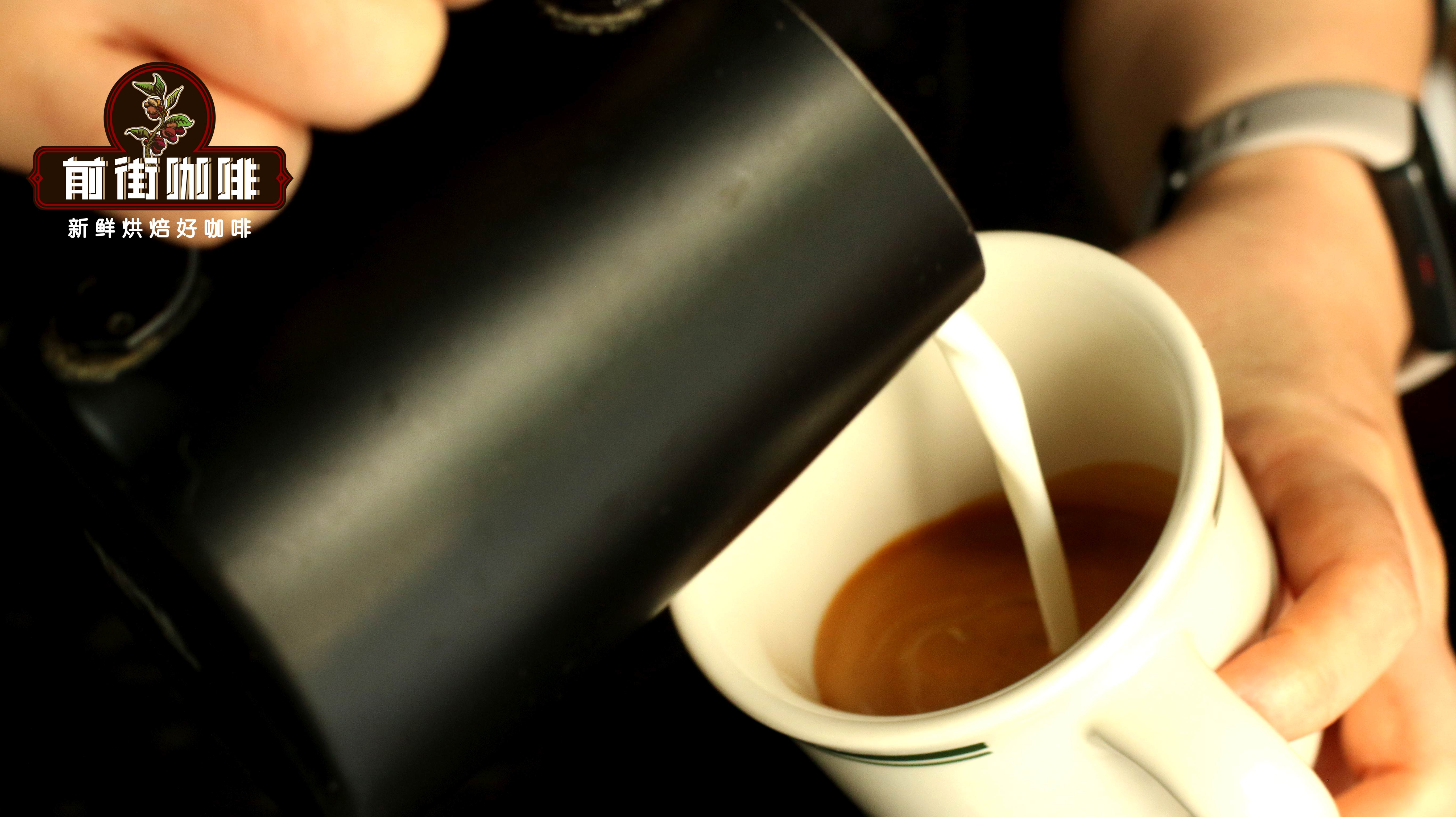
A Complete Guide to Cappuccino Milk Frothing and Temperature: Professional Techniques from Steaming to a Dense, Silky Texture
In coffee shops, cappuccino is just as popular as latte, but have you ever noticed that cappuccino's foam layer is noticeably thicker than latte's? This is no accident, but is determined by four key factors working together: milk temperature, foam density, foam quantity, and milk texture. This article will focus on cappuccino, systematically explaining the correct method for steaming and frothing milk, analyzing why the ideal milk temperature range is 55-65°C, and explaining how foam that is too thin or too thick affects the presentation of coffee flavor. At the same time, we will also compare the differences between latte and cappuccino in foam handling, helping you make a cappuccino at home with foam and coffee liquid blended into one and a silky mouthfeel. [more…]
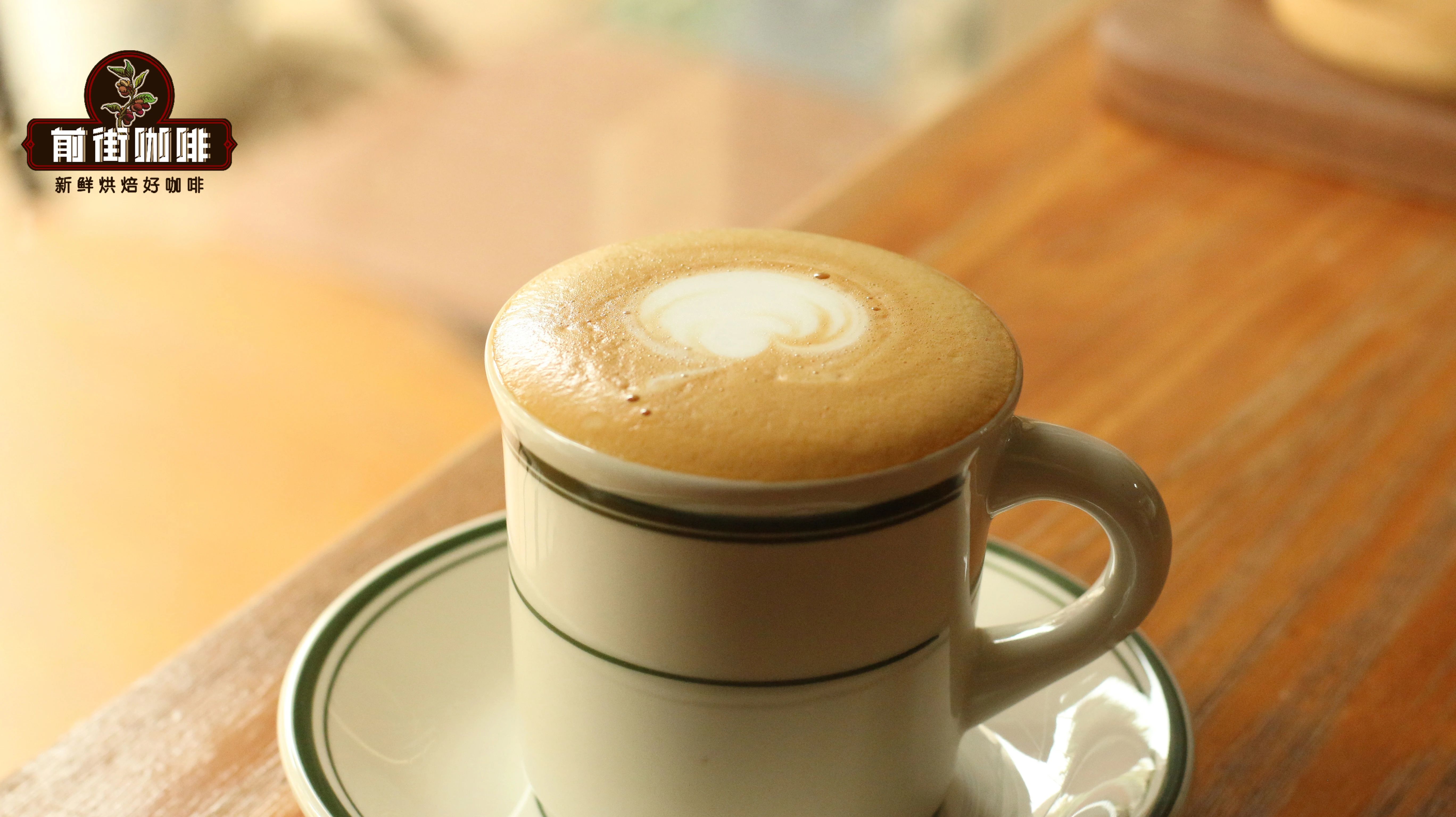
Latte Art Milk Foam Steaming Time and Texture Analysis: Pitcher Angle, Swirl Technique, and Espresso Pairing Recommendations
To create beautiful latte art, both the quality of the steamed milk foam and the quality of the espresso are indispensable. This article focuses on the most common problems beginners encounter when steaming milk, explaining in detail the insertion depth of the steam wand, the principles of aeration and texturing, how to create a vortex by controlling angle and position, and the advanced technique of aeration and texturing simultaneously. At the same time, Front Street also recommends classic blends and dark cocoa blends suitable for beginners and for café use, helping you easily extract espresso with golden crema at home and laying a solid foundation for latte art. [more…]

What Conditions Should Latte Art Milk Froth Meet? Analyzing the Key Points and Practical Techniques of Milk Steaming
Whether a latte art coffee looks good depends not only on the barista's skill, but also crucially on the quality of the milk foam. So what kind of milk foam is suitable for latte art? Front Street Coffee believes that ideal latte art milk foam needs to meet three core conditions: good fluidity, a fine and smooth texture, and a water content that is not too high. Fluidity is closely related to foam thickness—too thick and it becomes hard to flow, too thin and the patterns tend to float unstably; fineness depends on the length of the texturing time—the longer the time, the denser the bubbles; and water content is related to the steaming time—steaming too long dilutes the milk, causing the foam to atomize during pouring and the pattern to blur. This article will explore these three dimensions, explaining in detail how to produce high-quality milk foam suitable for latte art by controlling aeration, bracing the pitcher for stability, and adjusting milk temperature, along with practical tips shared by Front Street Coffee. [more…]

Coffee Latte Art | Why Does the Surface of a Latte Become Rough After Sitting for a While? How to Improve Milk Foam Stability and Delay Defoaming?
The surface of a freshly made latte is incredibly fine and smooth. But if we leave it sitting without drinking it, we can see the smooth, delicate surface gradually become rough and uneven. This phenomenon is called "defoaming," a process in which the milk foam continuously dissipates. Milk foam is a frothy substance formed by injecting air into milk. [more…]

Why should latte art milk be kept below 70°C? An analysis of why whole refrigerated milk is more suitable for making lattes
To create beautiful and long-lasting latte art patterns, the choice and handling of milk actually matter a great deal. Whole milk, because of its higher fat and protein content, makes the milk foam more stable and fine; keeping the steaming temperature below 70°C avoids the negative effects of lactose caramelization and protein denaturation; refrigerated storage extends the frothing time, making the foam denser and creamier. Drawing on years of experience, Front Street Coffee recommends using freshly roasted medium-dark roast espresso blend beans as the base, and shares two products suitable for beginners: the Front Street Dark Cocoa Blend and the Front Street Strawberry Candy Espresso. This article will explore these three dimensions, explaining why latte art has these requirements for milk, to help you create your ideal patterns at home. [more…]
Frequent bubbles in milk foam hard to eliminate? Master the three stages of steaming and key techniques to make fine latte art milk foam
Many coffee enthusiasts encounter the same frustration when practicing latte art: the surface of the milk foam is covered with a large number of tiny bubbles that simply won't break up no matter how much you tap the pitcher, seriously affecting the formation of latte art. The root of the problem often lies not in luck, but in the control of details during the steaming process. From the perspective of Front Street, this article systematically breaks down the three core stages of milk frothing—aeration, texturing, and integration—and analyzes one by one the three major causes of excess bubbles: insufficient texturing, repeated aeration during the integration stage, and milk that starts at too high a temperature. It also shares practical tips on steam wand angle, pitcher selection, and temperature management to help you consistently produce dense, smooth milk foam at home. [more…]

Starbucks Summer Menu Launches Raspberry Popping Pearls, Three Berry Iced Drinks Add Texture Toppings for the First Time
Starbucks is introducing a texture-focused topping—raspberry bursting pearls—for the first time in its summer menu this year, adding them to three berry-flavored Refreshers iced drinks. This attempt was personally previewed by CEO Laxman Narasimhan at an earnings conference and is positioned as the first step in texture innovation for the years to come. Unlike traditional tapioca pearls, Starbucks is using popping boba that burst when bitten, officially called Pearls. Customers can also pay to add the pearls to other drinks and snacks, at $1.25 per scoop. In fact, as early as 2021, Starbucks tested coffee popping boba in two stores, but the response was limited. This article sorts out the formula details of the new products, the pricing rules, and Starbucks' historical attempts at pearl toppings. [more…]
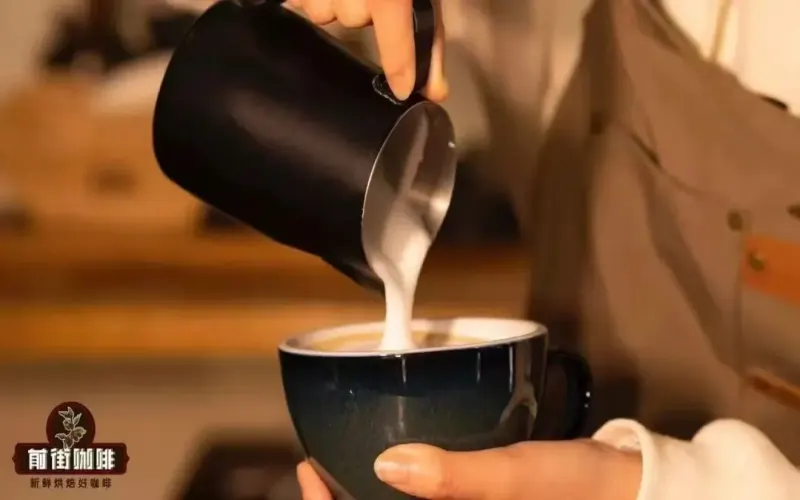
The Complete Guide to Steaming Milk for Latte Art: The Three Stages of Aeration, Texturing, and Pouring, and Thickness Control for the Multi-Layer Heart and Swan Patterns
To pour a thousand-layer heart, a leaf, or a swan, the condition of the milk foam is often the key to success or failure. Frothing milk may seem complicated, but it can actually be broken down into three stages: aeration, texturing, and integration. Aeration determines thickness, texturing eliminates large bubbles, and integration improves flow. This article starts from the principles of steaming and frothing, explains the foam thickness and thinness required by different latte art patterns, and details vortex formation, steam wand depth control, and how to fix the foam when it separates after steaming. It also covers the effect of espresso crema on latte art and recommends Front Street Coffee's classic espresso blend to help you systematically master the practical techniques for producing fine, glossy milk foam. [more…]
Can You Make Milk Foam Without a Whisk? A Detailed Guide to Cappuccino Milk Foaming and the Key Techniques of Milk Temperature
Want to enjoy a cappuccino at home but lack professional tools—can a whisk replace a steam wand to produce ideal milk foam? What is the best temperature to heat the milk to? This article focuses on four core points in cappuccino making—milk temperature, foam density, foam quantity, and milk texture—explaining one by one how to create fine, silky milk foam so that the coffee's own sweetness can be fully released. The article also shares Front Street Coffee's hands-on experience with steam milk temperature control, foaming rhythm, and pouring technique, helping you make a cappuccino close to cafe quality even without professional equipment. [more…]
Latte Art Essentials for Beginners: Key Points and Detailed Breakdown of the Entire Milk Foaming Process
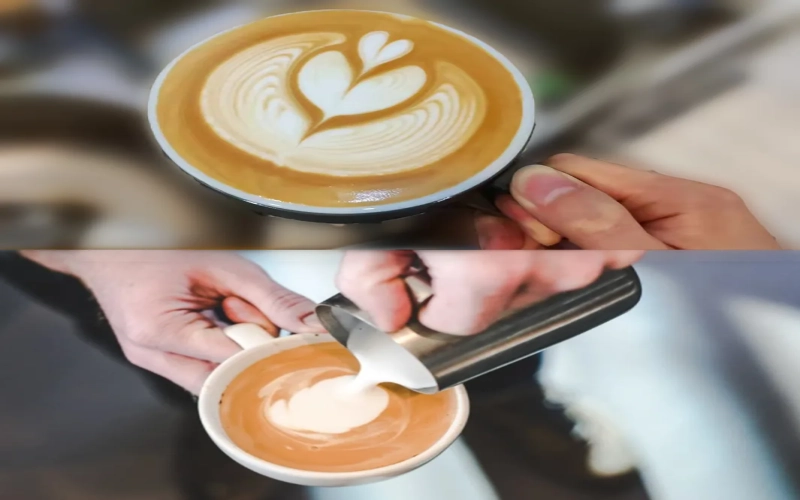
To make a smooth latte, the quality of the milk foam is key. This article breaks down the key points of every step, from choosing milk and checking the steam wand to the specific techniques of steaming and texturing. We will explain why whole fresh milk is preferred by coffee shops, how to find the right steaming point to create a vortex, and how to control the timing and depth of steaming and texturing. We will also analyze the actual impact of foam texture on coffee flavor. In this article, Front Street also offers milk quantity recommendations and practical tips for beginners, hoping to help you avoid detours and produce fine, dense milk foam more quickly. [more…]
Why Does Latte Milk Foam Dissipate Quickly? A Detailed Explanation of the Factors Affecting Stability and Frothing Techniques
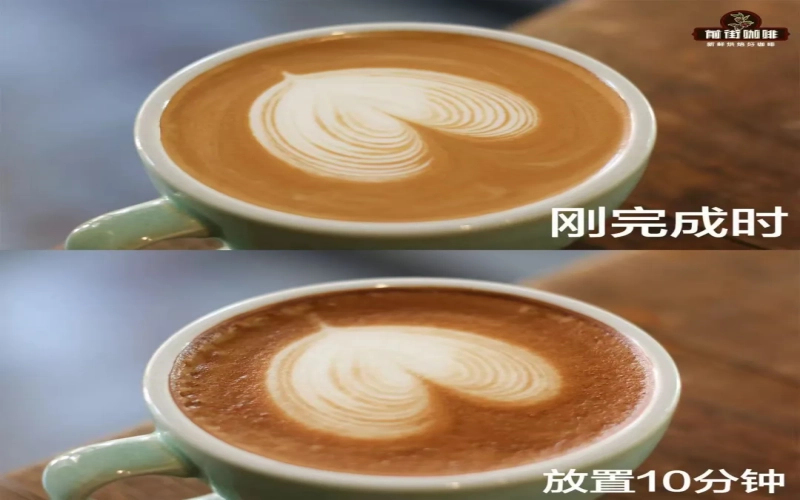
A freshly made latte has a silky smooth surface, but after sitting for a moment it develops a rough, uneven texture—this is the process of milk foam collapsing. Milk foam is essentially foam formed when air is injected into milk, and when left to stand, it separates due to density differences, with small bubbles gradually merging and bursting. The speed of collapse depends on foam stability, which is affected by multiple factors such as steaming technique, milk temperature, and coffee bean freshness. Drawing on Front Street Coffee's store experience, this article systematically analyzes the major reasons behind rapid latte foam collapse and offers practical improvement suggestions to help coffee enthusiasts enhance their latte art quality and taste experience. [more…]
A Detailed Guide to Milk Frothing Techniques and Principles for Latte Art: Illustrated Video Tutorial and Analysis of Two Methods
Making milk foam is a crucial step in latte art, and the quality of the milk foam directly determines whether the latte art will succeed. This article, through diagrams and a video tutorial, explains in detail the principles of latte art and the specific techniques for making milk foam. It covers how to choose the position of the steam wand, how to judge the timing for introducing air and texturing the milk, and how to use the temperature of the milk pitcher and the sound as auxiliary indicators. It also provides two practical workflows for making milk foam—steaming first and then texturing, and steaming and texturing at the same time. In addition, the article recommends practicing alternately with dish soap and milk to help coffee enthusiasts quickly master the skill of consistently producing high-quality milk foam. Whether you are a beginner or an enthusiast hoping to refine your skills, you will find practical guidance here. [more…]

Starbucks' new Flow Frozen Latte sparks heated debate: layered frozen texture divides opinions, while a collaboration-themed straw arrives alongside it
Starbucks has recently been ramping up its co-branding activities, teasing a limited-edition extendable straw shaped like the Golden Cudgel that plays the Monkey King's voice lines, while also launching a new delivery-exclusive drink, the "Flow Frozen Latte," on its Starbuck Delivery service. This creative coffee, said to be inspired by ginger milk curd, claims that the liquid naturally congeals and separates into layers during delivery, arriving as a latte with distinctly defined layers. However, consumer reviews since its launch have been mixed: some have posted photos showing obvious congealing and layering, describing the texture as similar to double-skin milk or coffee pudding; others question whether the product matches its description, saying what they received was no different from an ordinary latte. Is the "flow frozen" effect real or just a gimmick? And is the new recipe simply an old product with a new name? This article will compile netizens' hands-on feedback to take a look at the true face of this talked-about beverage. [more…]

What should you do if your latte milk foam isn't fine and smooth enough? A detailed explanation of steam frothing vortex techniques
Many coffee enthusiasts, when making latte art, most often encounter the problem of coarse milk foam that is not fine and smooth enough. In fact, the key to producing ideal dense milk foam lies in understanding how the steam wand works and how to create a stable vortex. This article will start with the principles of steam heating and foaming, gradually break down the core steps of air intake and texturing, and share practical tips for completing steaming and texturing at the same time. Front Street Coffee will also combine everyday operating experience to walk you through key points such as the angle of the milk pitcher, the position of the steam holes, and liquid surface control, so that you can easily recreate silky latte art foam at home. [more…]
The Complete Guide to Steaming Milk Foam for Espresso Lattes: Thickness Control and Beginner-Friendly Practical Techniques Explained
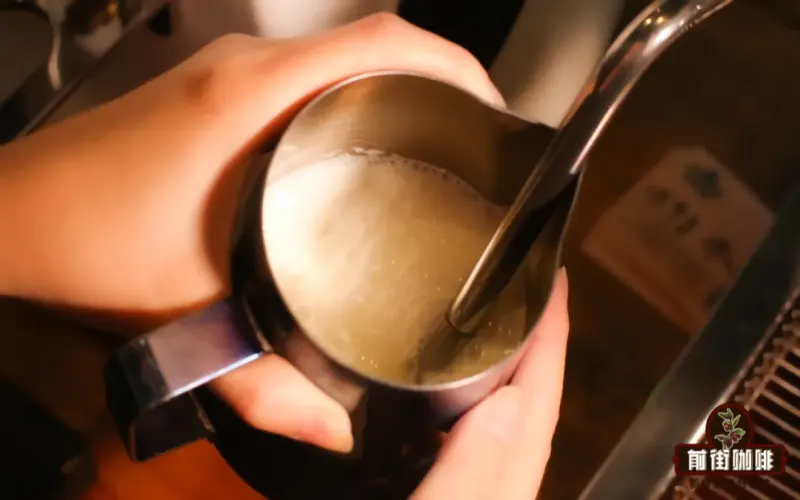
Want to make dense, smooth latte milk foam but keep struggling with coarse large bubbles and uncontrollable temperature? This article starts with the historical origins of milk foam, systematically breaks down the thickness control principles of espresso milk foam, and guides you through understanding the two key stages: "aeration" and "texturing." Front Street Coffee will demonstrate step by step the practical details of steam wand angle, air intake point selection, and temperature control, and share money-saving tips for practicing with ice water. Whether you are a complete beginner or an enthusiast looking to refine your latte art skills, this tutorial can help you avoid common pitfalls and consistently create fine, delicate milk foam suitable for latte art. [more…]
A Complete Guide to Coffee Grind Size: Seven Grind Levels, Their Brewing Methods, and Flavor Differences
The coarseness of coffee grinding directly affects the efficiency of extraction and the final flavor performance, making it one of the key variables that determine whether a cup of coffee is good or bad. From extremely coarse cold brew grinding to Turkish grinding as fine as flour, seven different particle sizes each correspond to the most suitable brewing equipment and methods. This article systematically sorts out the appearance characteristics of each grind size, the applicable scenarios, and why grinding fresh at home preserves flavor better than buying pre-ground coffee powder. It will also explain the taste problems that may arise from improper grind size selection, helping you quickly find the appropriate grinding parameters based on the equipment you have on hand, so that every cup of coffee can present the ideal layering of flavor. [more…]
How to make frozen 400 times coffee? A real-world comparison test of espresso and instant freeze-dried powder—which tastes better?
Dalgona coffee has taken the internet by storm with its cloud-like, velvety foam and caramel-sweet flavor, while the frozen version of Dalgona coffee needs only one extra step of chilling to transform the coffee foam into an ice cream-like texture, with layers that rival a snow-topped coffee. But when making it, should you use espresso or instant freeze-dried powder? What exactly are the differences between the two in terms of whipping difficulty, flavor expression, and final mouthfeel? Front Street Coffee conducted two sets of comparative experiments using freshly brewed espresso and instant coffee powder respectively, recording everything from extraction parameter adjustments and whipping time to the texture of the final product, to help you find the method that suits you best. [more…]
What Can Coffee Cream Be Used For? An Analysis of the Cream Ingredients and Methods for 400-Times Hand-Whipped Coffee and Neapolitan Coffee
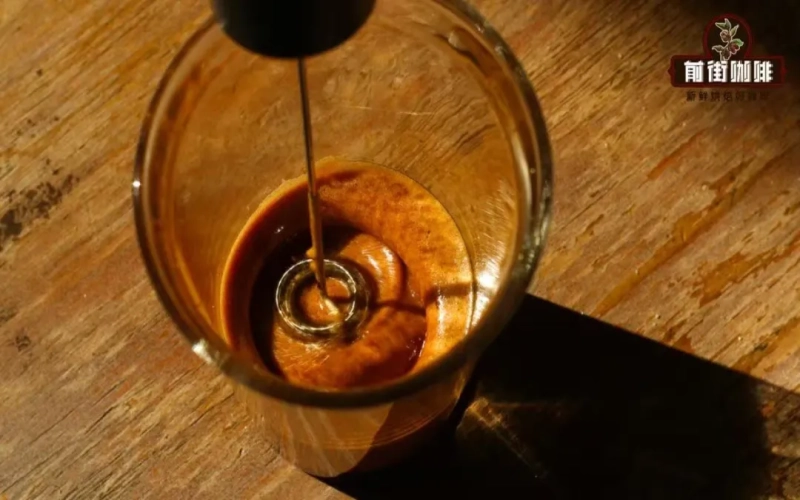
Coffee cream may seem simple, yet it can be extended into several classic coffee drinks. This article centers on the making and use of coffee cream, outlining three methods—400-times hand-whipped coffee, Neapolitan coffee, and coffee ice cream—and explaining the differences between instant coffee powder and espresso in preparation. It also draws on Front Street Coffee's bean list recommendations, suggesting dark-roast beans suitable for making coffee cream, such as Front Street Classic Blend and Front Street Strawberry Candy Espresso, helping readers strike a balance of sweetness, texture, and flavor when recreating them. [more…]
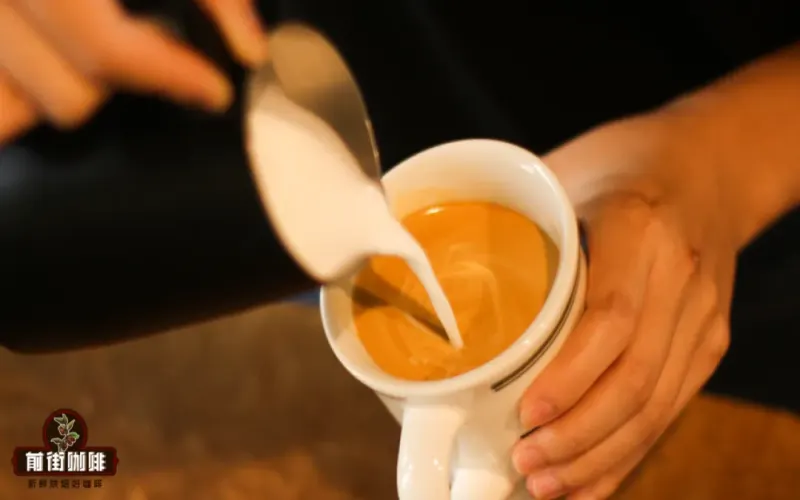
The Complete Guide to Steaming Milk for Lattes: How to Nail Temperature, Thickness, and Timing
To make a latte with dense, silky microfoam and a surface as smooth as a mirror for latte art, the quality of the milk foam is key. Starting from the working principle of the steam wand, this article explains in detail how to produce fine, glossy, free-flowing microfoam by adjusting the position of the steam tip, the frothing angle, and the immersion depth. It also explains the temperature standard for judging when frothing is complete (55-65°C), as well as how to fix the foam once large bubbles appear. Front Street Coffee also offers bean selection suggestions suitable for home practice based on the characteristics of its own espresso blend, and includes a complete six-step operating procedure to help beginners get started quickly. [more…]
The Complete Guide to Steaming Milk for Espresso Machines: From Beginner Steps to Milk Froth Texture Assessment and Latte Art Techniques
Want to make a latte at home with an espresso machine? Steaming silky, smooth milk foam is a key step. Many people think steaming milk is as simple as sticking the steam wand into the milk, but in practice they often run into problems like splashing milk, coarse foam, and overheated milk. This article starts with how to use the steam wand correctly and then breaks down the complete milk-steaming process step by step, including how to purge condensate from the wand, how to find the right air-intake position, when to bury the nozzle deeper, and what temperature range is most suitable. It also shares tips for judging foam quality and things to watch out for in the daily cleaning of the steam wand. The equipment-selection advice and operating details mentioned in the article are useful reference for both beginners and advanced enthusiasts. [more…]